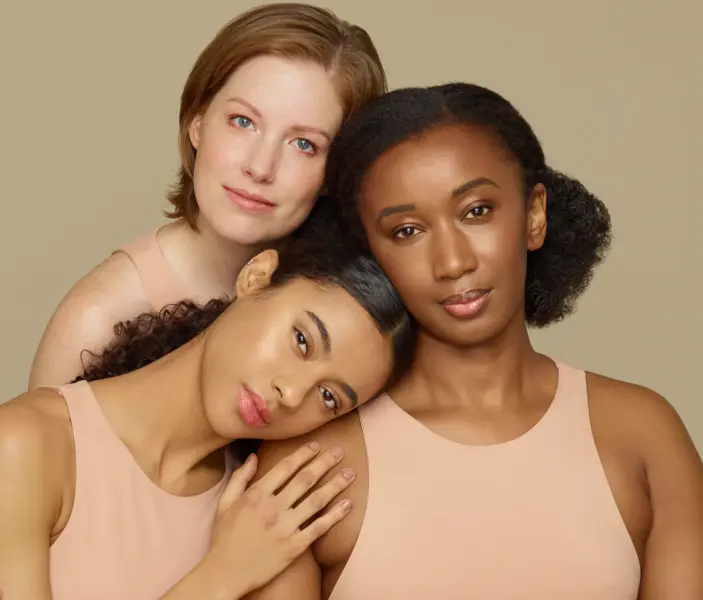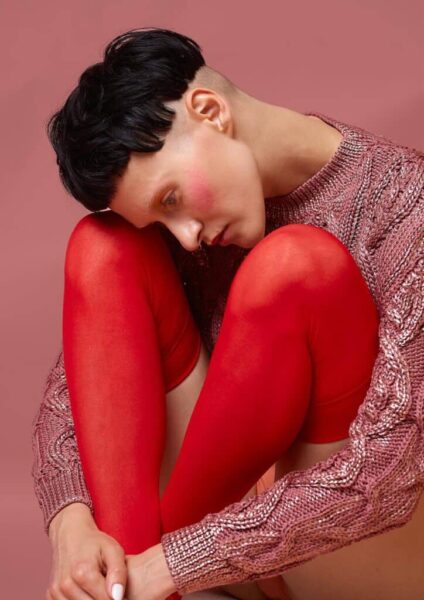
On July 1, 2026, Maria Panina opened Quiet Strength, her first solo exhibition, at El Barrio Art Space in New York City. The exhibition brought together 28 photographs and welcomed approximately 50 guests to its opening reception. A live dance performance by Shoko Tamai extended the work beyond the frame, placing movement directly within the exhibition experience.
On view through July 31, Quiet Strength presented photographs shaped by trust, resilience, vulnerability, movement, and human connection. The collection moved across portraits, movement studies, still lifes, botanical studies, and images of couples from The Connection Project.
The exhibition offered a concentrated view of Panina’s practice: a meeting point between the body and its surroundings, between gesture and stillness, and between fine art photography and the visual language of fashion and beauty.
A portrait begins with presence
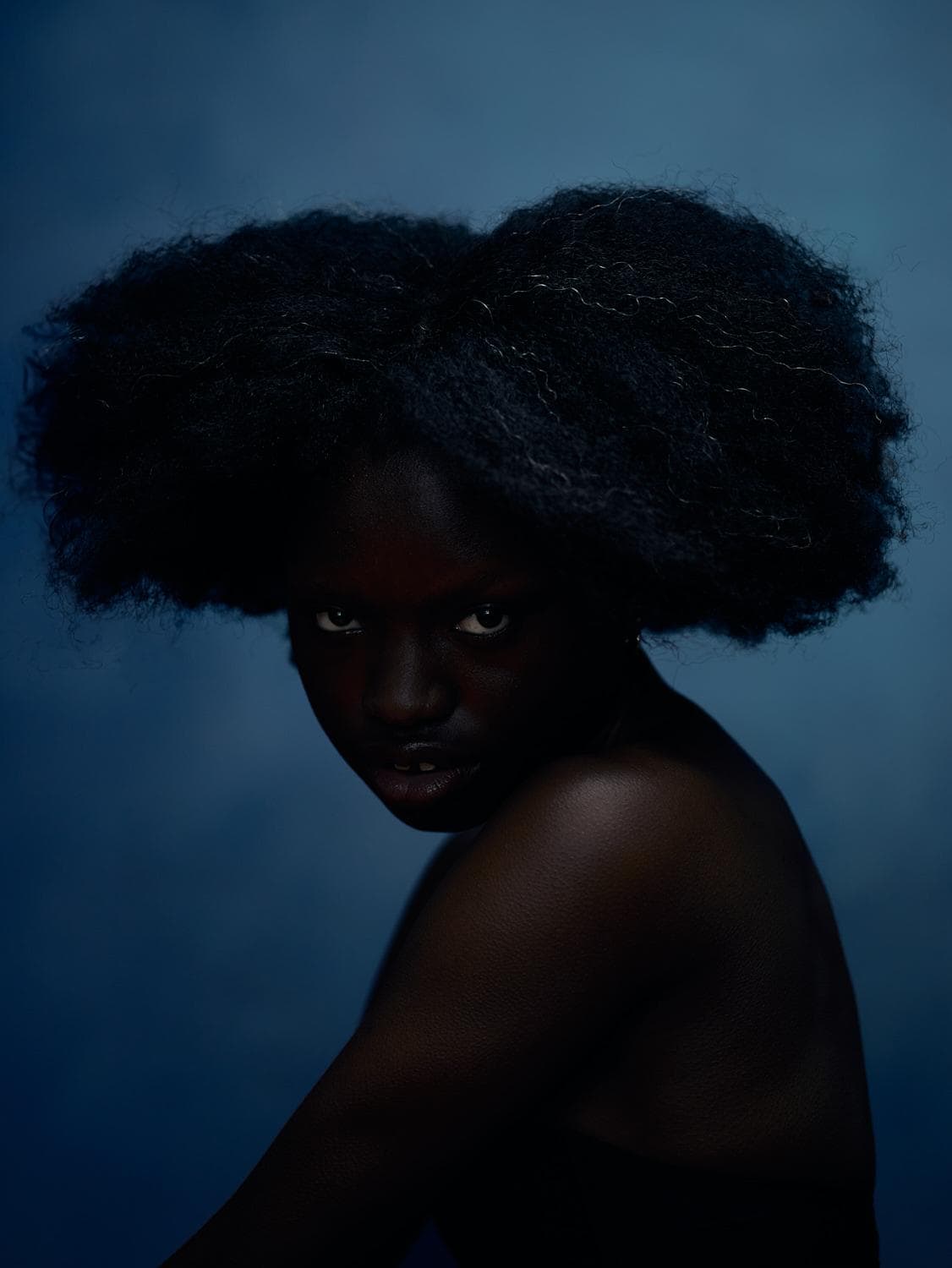
The portrait Ogechi establishes the quiet directness of the exhibition. Its focus is not simply appearance, but presence. Panina’s portraits allow the subject to occupy the frame with clarity, giving attention to expression, posture, skin, texture, and the small shifts that communicate interior strength.
This sensitivity is central to Panina’s commercial approach. In fashion and beauty photography, the image must present a face, a garment, a hairstyle, or a makeup look with precision. It must also retain something less measurable: character. The subject should appear fully present rather than merely arranged.
Panina’s fine art portraits create space for that presence. They demonstrate how controlled lighting, considered composition, and collaboration with the subject can produce images that feel both intentional and human.
Movement held in a still image
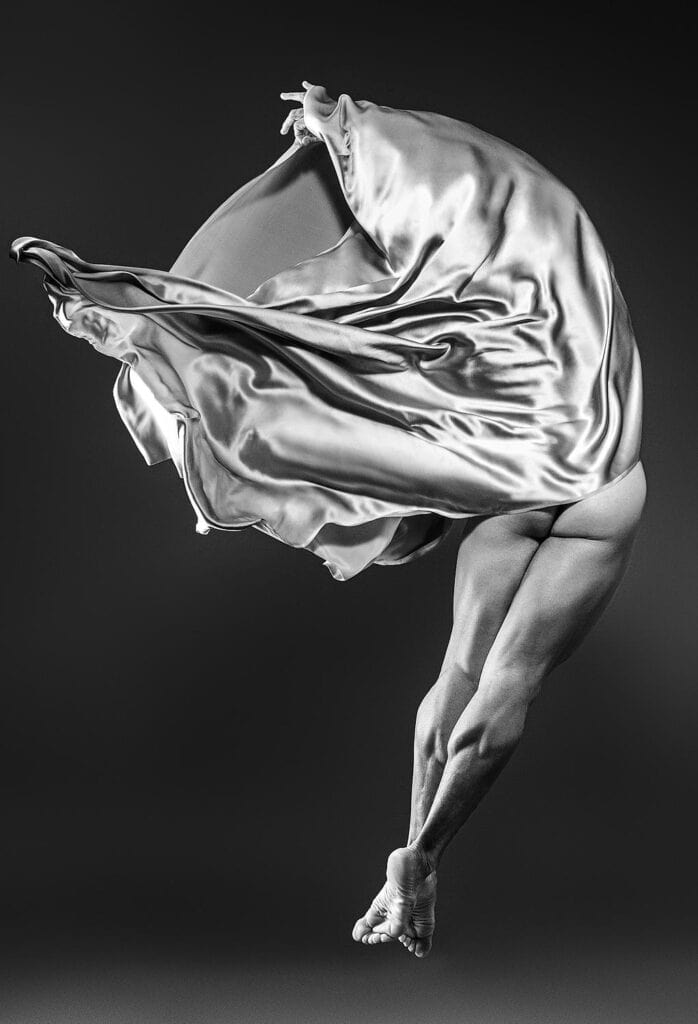
Movement is one of the defining subjects of Quiet Strength. Panina’s movement studies do not document dance in a conventional sense. Instead, they examine what remains in the body when motion is condensed into a single frame.
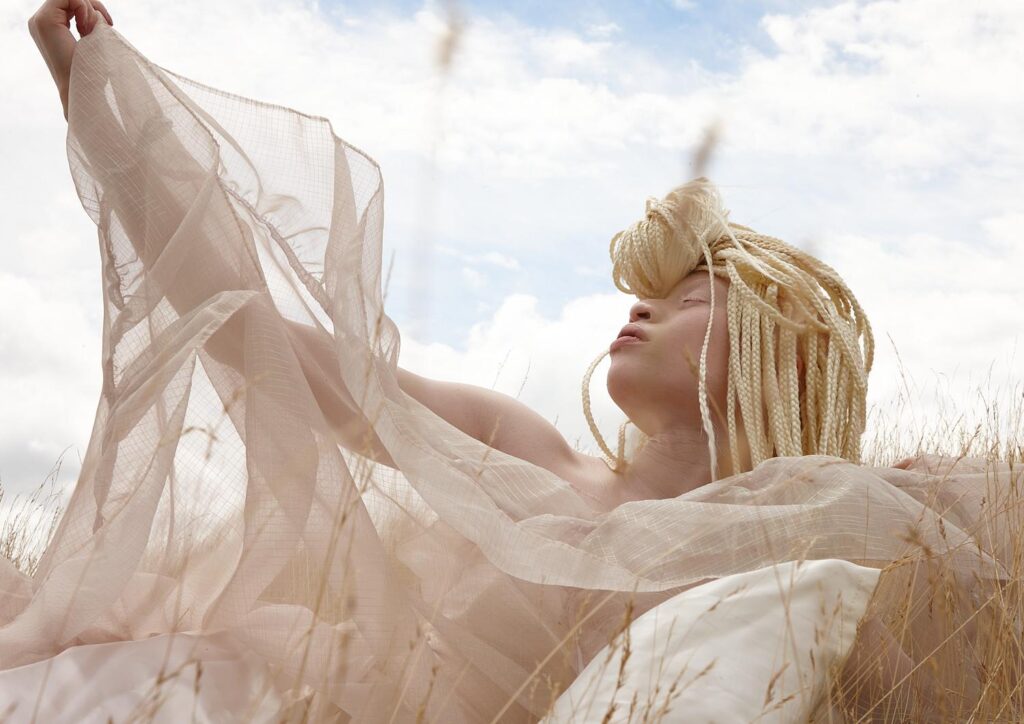
In Nymph, the body becomes a structure in transition. Line, balance, tension, and direction carry as much meaning as the figure itself. The image suggests a moment before or after a gesture, leaving the movement partly unresolved.
That quality is especially relevant to fashion and hair imagery. Fabric, hair, and the body all communicate through motion. A flowing garment can create a silhouette that changes from one second to the next. Sculptural hair can become architectural when captured at the right angle. A beauty image can gain force through the turn of a head, the placement of a hand, or the tension held in the shoulders.
Panina’s experience with movement allows her to work beyond static posing. She looks for the point at which a gesture becomes form.
The live performance by Shoko Tamai at the opening reinforced this connection. Dance was not only a reference within the photographs; it became part of the exhibition’s physical language. The performance created another way to consider how trust between artist and subject can produce an image.
The body as a changing structure
The botanical study Allium/Garlic continues the exhibition’s interest in transformation and contained form.
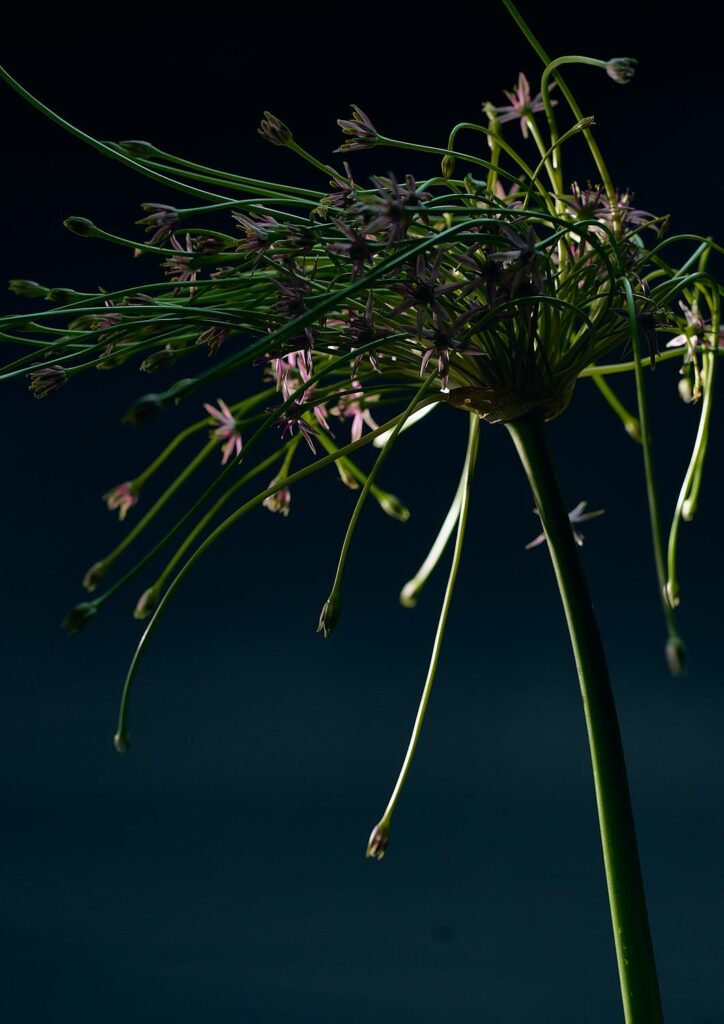
The photograph remains open to interpretation. Form folds inward and outward, creating an image that depends on shape, surface, and the relationship between concealment and exposure.
This balance is also visible in Panina’s approach to styling. Hair, makeup, fabric, and the body are treated as connected materials. Each can alter the scale and architecture of the image. A hairstyle can create a frame around the face. Fabric can extend a gesture through space. Makeup can shift attention toward the eyes, cheekbones, or the planes of the face.
For beauty and hair brands, this way of working creates more than a record of a look. It creates an image with a point of view. The styling remains visible, but it operates within a larger composition built around light, movement, and form.
Still life and botanical attention
Quiet Strength also included still lifes and botanical studies, widening the exhibition’s focus beyond the human figure. These photographs bring the same attention to structure and texture to plants and natural forms.
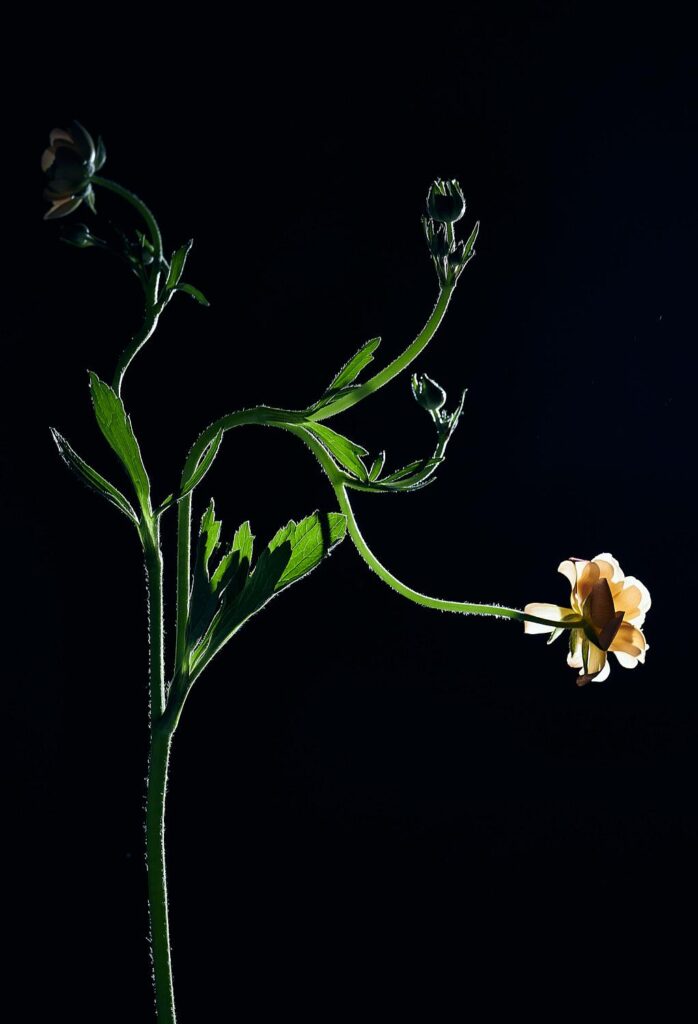
The Cosmos plant study isolates a delicate subject against a dark field. The restrained composition gives the stem, petals, and negative space a sculptural presence. Fragility becomes a formal quality rather than a decorative idea.
This approach connects botanical photography to Panina’s fashion and beauty work. Both depend on close observation. Both require sensitivity to surface, silhouette, scale, and light. A petal, a lock of hair, a fold of fabric, and the curve of a shoulder can all become studies in texture and proportion.
Her botanical work also reflects an ability to create visual impact without relying on excess. A minimal background and a carefully shaped light can give a single element the authority of an object in a still-life painting. For commercial clients, this discipline translates into imagery that can make a product, look, or material feel considered and distinctive.
Connection as a photographic method
The photographs from The Connection Project introduce another form of movement: the movement between two people.
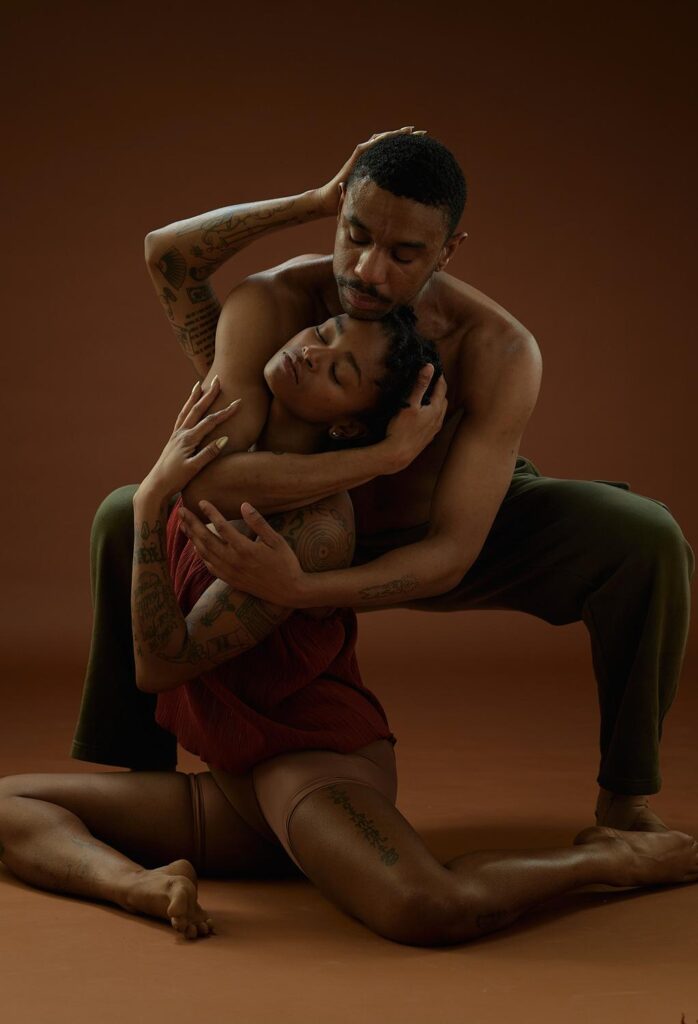
In images of couples, the space between bodies becomes active. A touch, a turn, or a shared direction can suggest trust without explaining it. Panina photographs connection through posture and proximity, allowing the relationship to emerge through the composition.
The photographs do not reduce connection to a single expression. Instead, they observe how people communicate physically. The image may hold closeness and distance at once. It may show support, tension, symmetry, or interruption.
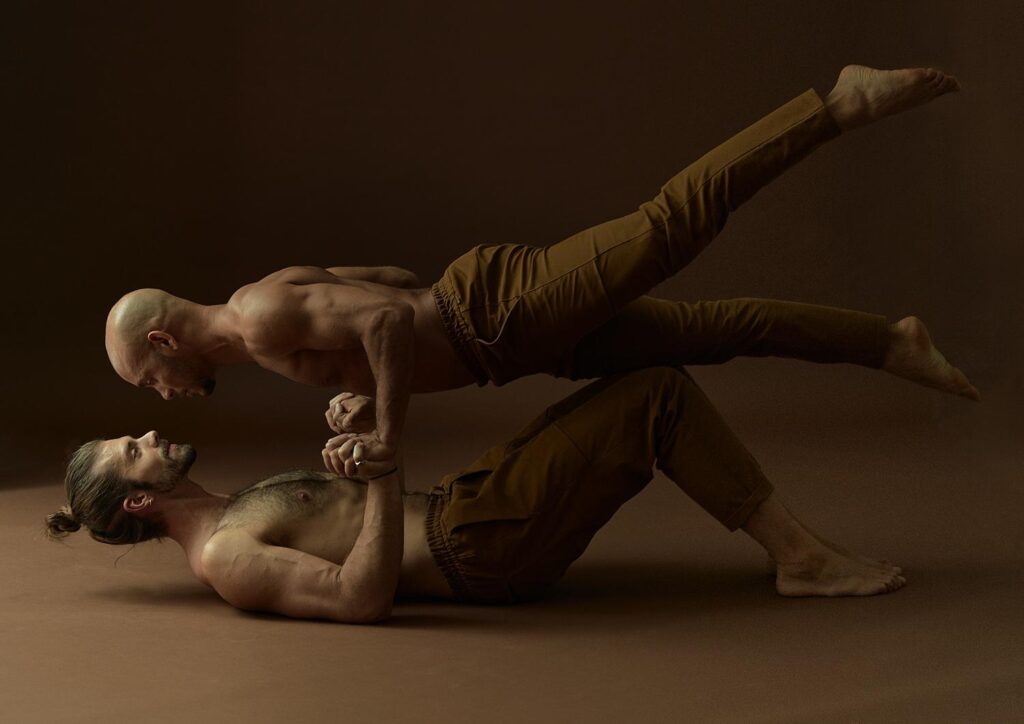
This collaborative process is important to Panina’s broader practice. Strong images are built through communication between photographer, subject, stylist, hair artist, makeup artist, and creative team. Trust makes experimentation possible. It allows a subject to move beyond a predetermined pose and gives the final image a sense of discovery.
That same principle is valuable in commercial photography. Campaign work may have clear brand objectives, but the strongest results often come from leaving room for interpretation. A concept becomes more memorable when the people making the image can respond to the moment rather than simply execute a plan.
From fine art exhibition to commercial image-making
Quiet Strength presents Panina’s fine art work, but it also clarifies the qualities she brings to commercial photography.
Her images are grounded in:
- An architectural approach to hair, styling, and the body
- Dramatic lighting that gives form a strong sense of depth
- Attention to texture, movement, and material
- A bold yet controlled use of color
- Collaboration with performers, models, and creative teams
- A balance between editorial clarity and artistic ambiguity
These qualities are suited to fashion campaigns, beauty editorials, hair portfolios, and visual content for brands that need more than straightforward product documentation.
Panina’s interest in dance and motion is particularly central. Movement can reveal how a garment behaves, how hair holds its shape, or how makeup changes with expression and light. It can give a campaign image energy without sacrificing precision.
The result is a visual language that connects the gallery and the studio. Fine art informs the commercial image, while commercial discipline supports the fine art frame.
The collection continues online
Although Quiet Strength closed at El Barrio Art Space on July 31, 2026, the exhibition collection remains available online at mariapanina.work. Visitors can explore the exhibition works, view individual photographs, and discover the continuing body of work within The Connection Project.
Together, these images document an ongoing study of the body, the gesture, and the relationships that make an image possible. Quiet Strength is an exhibition about stillness, but its foundation is movement: the movement of bodies, fabric, light, plants, and collaboration.
For Maria Panina, the frame does not stop motion. It gives motion a form that can remain.